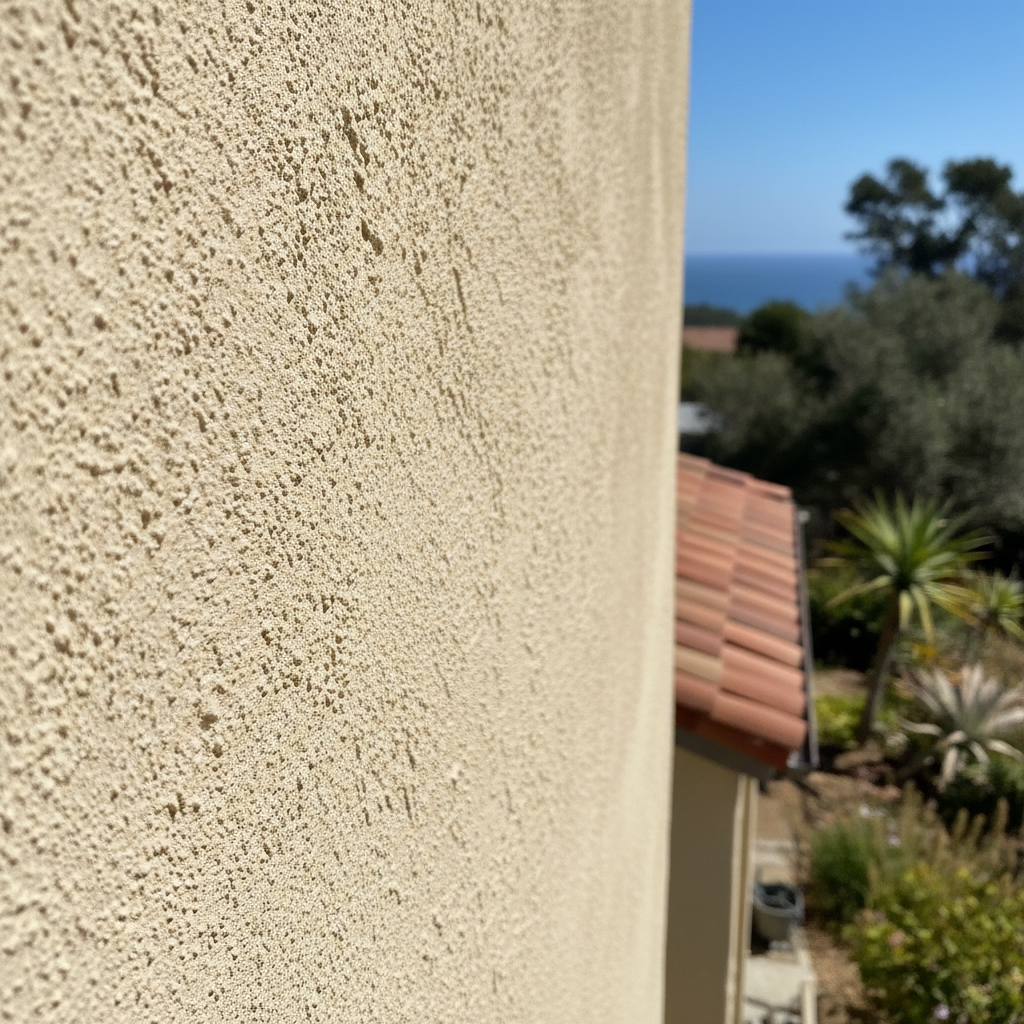
So, you're eyeing your stucco and thinking it could use a little refresh, huh? Maybe it just looks a bit tired, or you've spotted some small surface cracks that are more than just cosmetic. Redashing — sometimes called restucco — is a fantastic way to give your home a fresh, new look without tearing everything off and starting from scratch. But hold on before you grab a trowel. Let's talk about what this job really involves and what you, as a homeowner, can realistically handle.
What Exactly Is Redashing?
Simply put, redashing means we're putting a new finish coat of stucco right over your existing stucco. It's not a full system replacement, mind you. We're talking about that final, decorative layer that gives your home its texture and color. This is different from a full stucco repair, where we might be digging into bigger problems like water damage or structural issues. Redashing is mostly about making things look good and adding a little extra surface protection.
Before You Start: Check Your Stucco
This step is probably the most important one. You've got to be honest about how your current stucco is doing. Redashing works best when the stucco underneath is in pretty good shape. Here’s what I usually look for:
- Minor Cracks: Hairline cracks? Small spiderweb patterns? These are usually okay. The new finish coat can cover these right up.
- Good Adhesion: Tap on your stucco. Does it sound hollow in big sections? If it does, that means the stucco isn't properly stuck to the wall, and redashing won't fix that. You'd just be putting new material over a failing base, which is a total waste of time and money.
- No Water Intrusion: See any water stains, mold, or crumbling stucco, especially around windows, doors, or near the ground? If you've got active water problems, you absolutely need to fix those first. Redashing over water damage is like putting a tiny bandage on a broken leg. It just won't work.
- Clean Surface: Your existing stucco needs to be clean, free of loose paint, dirt, or algae. A good power washing (be careful, don't use too much pressure!) can often take care of this.
If you're seeing widespread hollow spots, big cracks, or clear signs of water damage, then redashing isn't the solution. You're looking at a more extensive repair, and that's exactly when you need to call in a pro like us at Oasis Stucco.
DIY vs. Pro: Where Do You Draw the Line?
Okay, so you've checked your stucco, and it seems like a good candidate for redashing. Now, can you actually do it yourself?
For a small, easy-to-reach area — maybe a garden wall, a little shed, or a single, low section of your house that's not too visible — a confident DIYer might be able to tackle it. You'll need to research the right materials (usually a polymer-modified finish coat), get the right tools (hawk, trowel, floats), and practice your technique. Getting a consistent texture is much harder than it looks, especially on a bigger surface.
However, for the main walls of your home, anything above one story, or if you really want a professional, consistent finish, I'd strongly recommend hiring a professional. Here's why:
- Consistency: Pros can get a uniform texture and color across huge areas. It's really tough for an amateur to avoid lap lines or uneven finishes.
- Skill and Speed: We do this every day. We're fast, efficient, and know how to work with the material before it dries.
- Scaffolding and Safety: Reaching higher areas safely requires proper scaffolding and experience. Please, don't risk a fall.
- Material Knowledge: There are different kinds of finish coats, you know? We understand what works best for our Monterey climate, dealing with that coastal fog and occasional dampness.
During the Project: What to Expect
Whether you're doing it yourself or hiring us, the process generally follows these steps:
After the Redash: Maintenance
Once your redashing is done and cured, it's pretty low maintenance. Just like your original stucco, keep it clean. A gentle wash with a hose and a soft brush can easily remove dirt and cobwebs. Keep an eye out for any new cracks, though a properly applied redash should hold up well for years. If you decide to paint it down the line, just make sure you use a breathable paint specifically made for stucco.
Redashing can truly transform your home's exterior, making it look brand new again. Just make sure you're starting with a solid foundation. If you're ever in doubt about your existing stucco's condition, or if the job feels too big to tackle yourself, please don't hesitate to give us a call. We're here to help Monterey homeowners get the best out of their stucco.