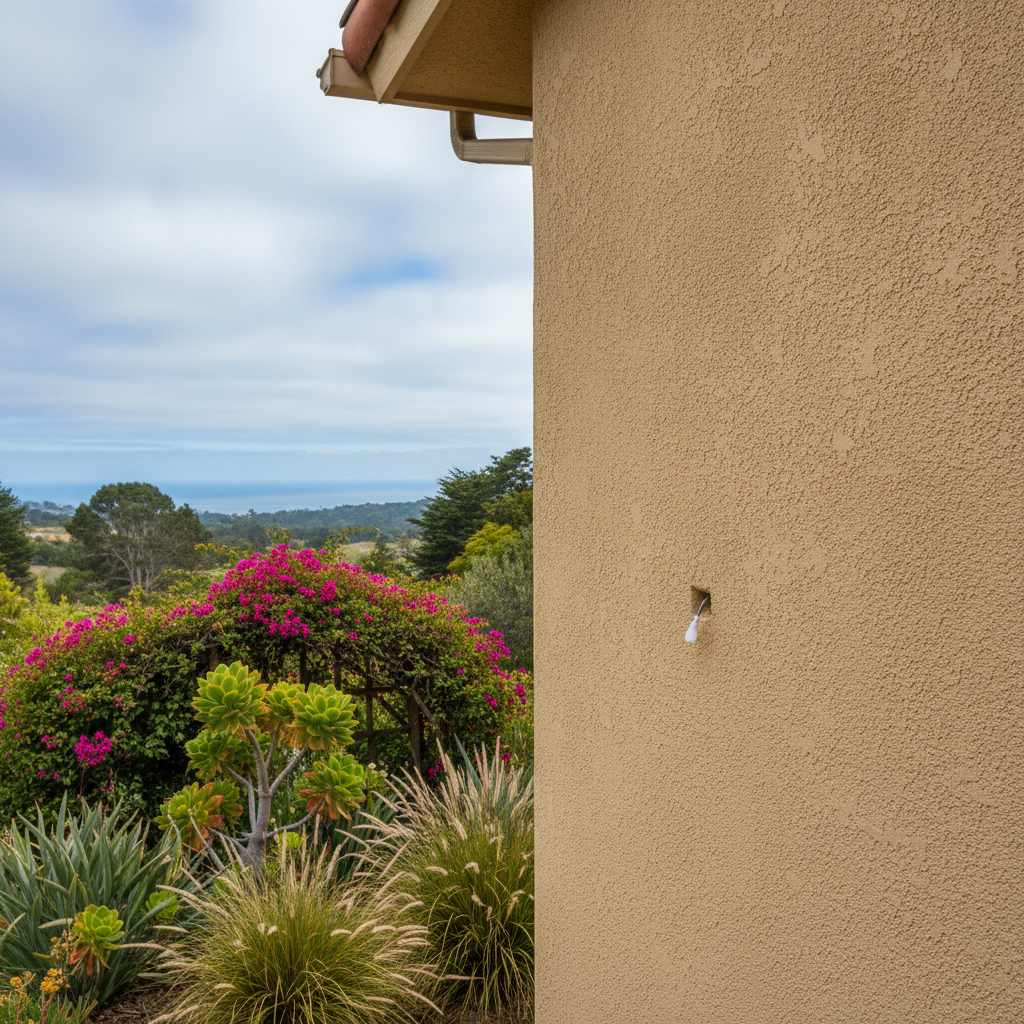
Alright, let's talk about keeping your stucco looking good and doing its job for years to come. I see a lot of homes around here, from the old Victorians in New Monterey to the newer builds up in Ryan Ranch, and one thing's for sure: good stucco maintenance isn't just about curb appeal. It's about protecting your biggest investment, plain and simple.
Why Regular Stucco Inspections Matter (Especially Here)
You might think, 'Stucco's tough, it can handle anything.' And you'd be mostly right. But even the toughest materials need a little looking after. Here in Monterey, we've got that marine layer, those foggy mornings, and sometimes some pretty serious winter rains. All that moisture, combined with our salty air, can be sneaky. It'll find its way into tiny cracks and start causing problems if you're not paying attention.
A regular inspection, which you can mostly do yourself, helps you catch small issues before they become big, expensive headaches. It's like checking your tires before a long drive – simple, quick, and prevents a blowout down the road, right?
Your DIY Stucco Check-Up: What to Look For
I tell folks to do a full walk-around of their house at least once a year, maybe twice if we've had a particularly wet winter. Here's what you're looking for:
- Cracks: Not all cracks are bad. Hairline cracks, especially around windows and doors, are pretty common. They're often just surface-level. But if you see cracks wider than a credit card, or if they're running in a spiderweb pattern, or if they're horizontal and stepping up the wall, those are red flags.
- Discoloration or Stains: Dark streaks, particularly under windows, near the roofline, or around downspouts, usually mean water is getting where it shouldn't. Green or black patches could be mold or mildew, which points to persistent moisture.
- Bulges or Soft Spots: Gently press on the stucco in different areas. If it feels soft, spongy, or you see a bulge, that's a sign of water trapped behind the stucco. This could potentially rot the sheathing or framing underneath. This is a serious one.
- Efflorescence: This is that white, powdery stuff you sometimes see on masonry. It's mineral salts left behind when water evaporates from the stucco. It means water is moving through the wall, and even if it's not causing major damage yet, it's a clear sign of moisture intrusion.
- Separation Around Openings: Check where the stucco meets windows, doors, and utility penetrations (like hose bibs or dryer vents). The caulk or sealant here is your first line of defense. If it's cracked, missing, or pulling away, water will get in.
- Damage Near the Ground: Look at the bottom edge of your stucco, especially if it's close to soil, concrete patios, or decks. Stucco shouldn't touch the ground. There should be a gap (a 'weep screed') to allow moisture to escape and prevent water wicking up from the soil. If soil is piled up against the stucco, you've got a problem.
Extending the Life of Your Stucco
Beyond those annual checks, there are a few simple things you can do:
- Keep Gutters Clean: Overflowing gutters dump water right onto your walls, which is a big no-no.
- Maintain Landscaping: Keep plants and shrubs trimmed away from your stucco. They hold moisture against the wall and can hide problems. Also, make sure your irrigation isn't spraying directly onto the stucco.
- Address Leaks Promptly: If you have a leaky roof, a dripping hose bib, or a plumbing issue, fix it fast. Water is stucco's worst enemy.
- Repaint When Needed: A good quality elastomeric paint can add an extra layer of protection and seal minor hairline cracks. Just make sure it's breathable paint.
- Clean Gently: If your stucco gets dirty, a soft brush and a mild detergent with a low-pressure rinse are usually all you need. Avoid high-pressure washers, as they can damage the stucco surface and force water into cracks.
When to Call a Pro (Like Oasis Stucco)
You've done your walk-around, and you've spotted something. When do you pick up the phone? Here's my take:
- Any widespread cracking: If you're seeing a lot of cracks, or cracks that are wide and deep, especially if they're running through the stucco and not just on the surface.
- Soft spots or bulges: This is a definite call. It means water is likely trapped, and you've got potential damage to the underlying structure.
- Persistent staining or mold: If you clean it and it comes right back, or if it's a large area, it indicates a continuous moisture source.
- Stucco separating from the wall: If you can see the stucco pulling away from the framing, that's a structural issue.
- Damage after a storm: High winds or heavy rains can sometimes cause immediate damage you might not spot right away.
- If you're just not sure: Honestly, if you're worried about something you've found, or you just want a professional opinion, give us a shout. It's always better to be safe than sorry. We'd rather come out and tell you it's nothing major than have you discover a huge problem later.
Your stucco is a tough skin for your home, but it needs a little love to keep doing its job. A little attention now can save you a lot of money and headaches down the road. Keep an eye on it, and don't hesitate to reach out if you've got questions.