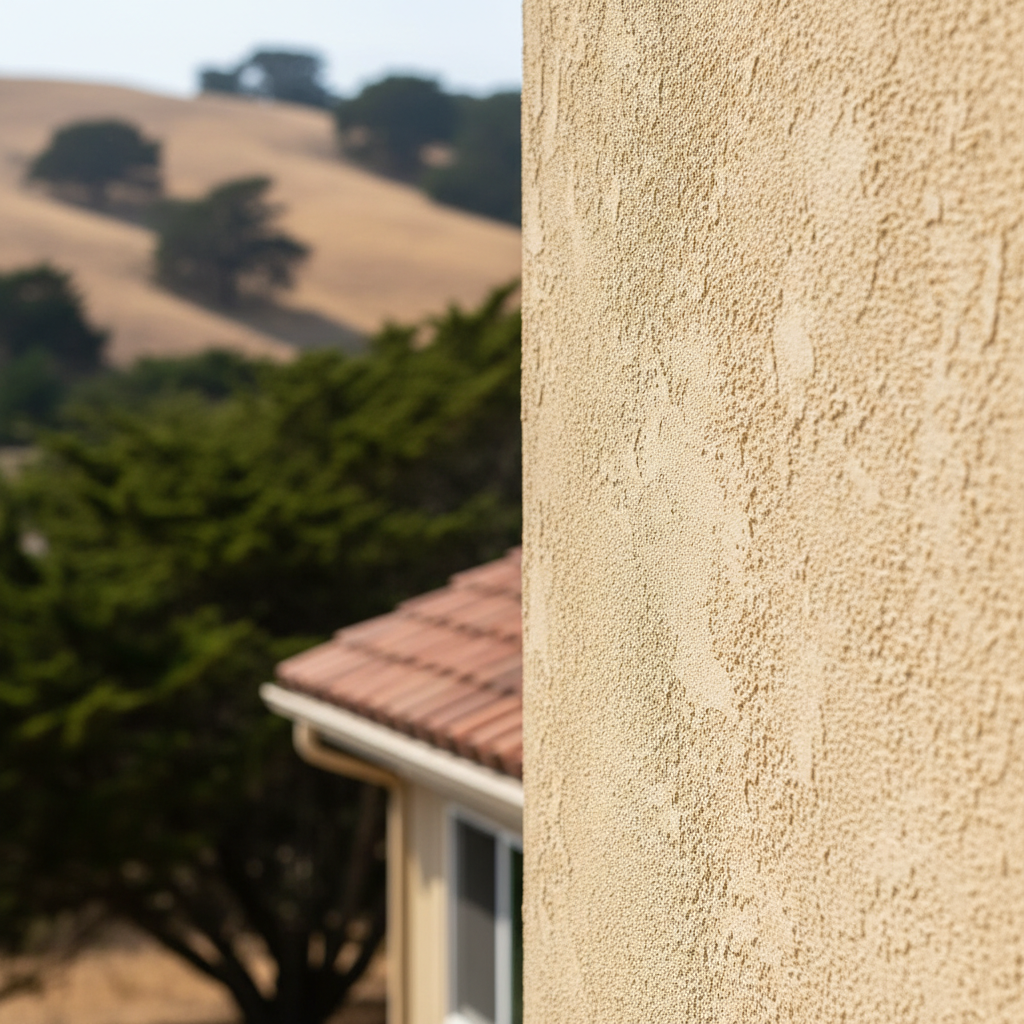
Stucco Inspection: What Every Monterey Homeowner Needs to Know
Let's talk about your home's stucco for a minute. It's tough, looks good, and is definitely built to last, but it's not some kind of superhero. Like anything else, it needs a little care to keep doing its job well. Especially here in Monterey, with all our coastal fog and those occasional heavy rains, keeping an eye on your stucco is super important. It really helps you avoid bigger, more expensive headaches down the road.
Now, you might be thinking, "Another inspection?" I get it. But honestly, a smart stucco inspection plan can save you a ton of grief and money. It's all about figuring out what you can realistically spot yourself and when it's time to call in someone with the right tools and expertise. Here at Oasis Stucco, we've pretty much seen everything, and I'm here to give you the straight talk.
Before the Inspection: Your DIY Recon
Before you even think about calling a pro, there's a lot you can totally do yourself. Think of it as your first scouting mission. You're just looking for red flags, things that seem a little off. This isn't about becoming an expert, by the way; it's just about being observant. You should really try to do a visual check of your stucco at least once a year. Maybe even more often if we've had a particularly wet winter or a big storm blew through.
- Walk Around and Look Closely: Get right up to your walls. See any cracks? Hairline cracks are actually pretty common and often just a cosmetic thing, especially with our temperature swings around here. But if you spot cracks wider than about 1/16th of an inch, or ones that spiderweb, run diagonally from window corners, or just seem to be getting bigger—well, that's a bigger deal.
- Spot the Stains: Discoloration is a huge clue that moisture might be getting in. Look for dark streaks, especially below windows, near the bottom of the wall, or around any fixtures like hose bibs and light fixtures. White, powdery stuff, called efflorescence, also tells you water is moving through the stucco and leaving mineral salts behind.
- Feel for Soft Spots: Give your stucco a gentle tap and press in different places, especially where you see discoloration. Healthy stucco feels hard as a rock. If it feels soft, spongy, or crumbles when you press it, that's a serious sign of deterioration and probably moisture damage hiding underneath.
- Check Around Openings: Windows, doors, vents, and even electrical outlets are common spots for water to sneak in. Look for gaps in the caulk or sealant around these areas. If the caulk is cracked, brittle, or just missing, it's not doing its job anymore.
- Examine the Weep Screed and Drainage: The weep screed is that metal strip at the very bottom of your stucco wall. It's there to let any trapped moisture drain out. Make sure it's not buried by soil, landscaping, or concrete, and that it's clear of any junk. You want at least 4 inches of space from soil and 2 inches from paved surfaces. Oh, and check your gutters and downspouts too; they should be sending water away from your foundation, not splashing onto your stucco.
During the Professional Inspection: What to Expect
If your DIY check raised any red flags, or if it's just been a few years since a pro looked at your stucco, it's definitely time to call in an expert. A standard home inspection usually won't cut it; you really need someone who specializes in stucco.
A professional stucco inspection goes way beyond what you can see with your own eyes. They're looking for moisture getting in, installation mistakes, and structural problems that are hidden behind the surface.
- Visual Evaluation: Just like you did, they'll start with a really thorough visual inspection, carefully checking for all those signs we talked about – cracks, stains, bulging, and issues around openings.
- Moisture Testing (Non-Invasive): Many inspectors use special tools like infrared cameras to find temperature differences that can point to trapped moisture. They also use non-invasive moisture meters to check moisture levels without drilling any holes.
- Invasive Moisture Probe Testing: This is where the real detective work kicks in. If the non-invasive methods make them worry, or if you just want the most accurate picture possible, the inspector will drill small, discreet holes (about 1/4 inch) in key spots. Then they insert moisture probes to measure the exact moisture content behind the stucco, right in the wall sheathing. They'll also probe for decay, checking if the sheathing is soft or damaged. Don't worry, these holes are then sealed up with caulk that matches your stucco's color.
- Detailed Report: After the inspection, you'll get a full report. It'll lay out all the findings, often with photos, and give you recommendations for any repairs or maintenance you might need.
The cost for a professional stucco inspection in Monterey can vary, but generally, for a house, you're looking at anywhere from $500 to $1,500. This depends on how big your home is, how complex it is, and what kind of testing they do.
After the Inspection: Taking Action
Okay, so you've got your report. What now? Don't panic, even if it shows some problems. The whole point of getting an inspection is to catch issues early, before they turn into something catastrophic.
- Understand the Findings: Go through the report carefully. If anything's unclear, don't hesitate to ask the inspector for more details. They should be able to explain what the issues mean for your home, right?
- Prioritize Repairs: Not every finding is equally urgent. Small cosmetic cracks might just need watching or a simple patch job. But significant moisture getting in or structural concerns? Those definitely need immediate attention to stop further damage like mold or wood rot.
- Get Professional Quotes: For any recommended repairs, get quotes from reputable stucco contractors like Oasis Stucco. Make sure they understand the inspection report and can fix the real cause of the problem, not just slap a patch over it.
- Ongoing Maintenance: Even if your stucco is in great shape, those regular visual checks are still important. Keep up with sealing around windows and doors, and always make sure your drainage is working correctly.
Protecting your home's stucco is an ongoing thing, not just a one-and-done deal. By being proactive with your own visual checks and knowing when to bring in a professional, you'll keep your Monterey home looking fantastic and structurally sound for years and years to come.